
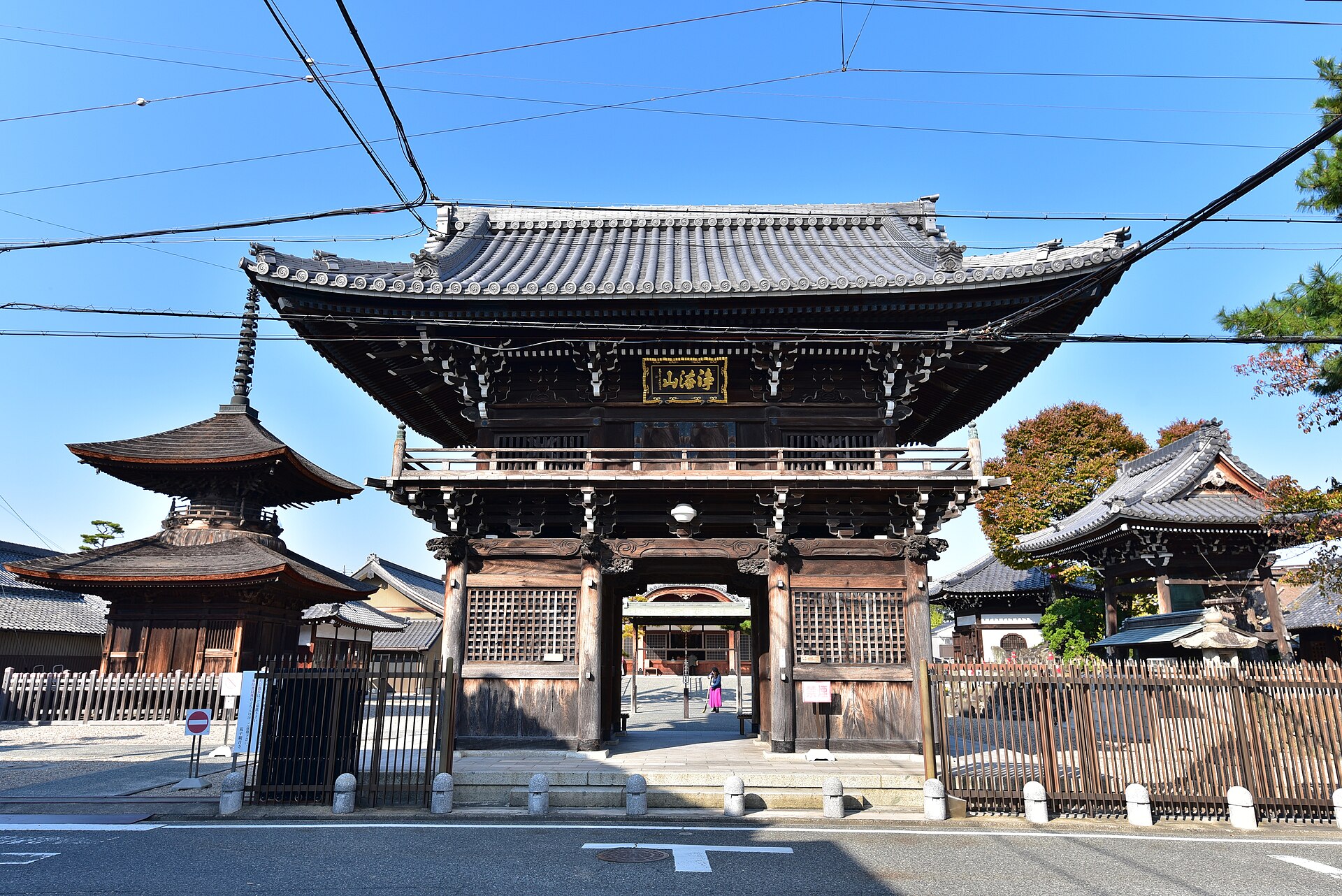
City guides Japan
Working remotely in Nagoya, Japan
Japan's fourth-largest city, with about 2.34 million people (September 2025 estimate), and a cheaper place to rent than its size suggests: a furnished 25 square metre studio near Chikusa Station lists at 68,000 yen a month, and unfurnished one-room flats around Nagoya Station and Sakae average 63,000-64,000 yen. Coworking is mostly Regus, Spaces and Open Office, with monthly desks from 25,500 yen. Winters are dry and sunny, with about 170 hours of sun a month; summers are hot, with an August average high of 33.2C.
Every figure checked 12 Nov 2026
- Country Japan
- Flag
- Time zone UTC+9 03:49 there now
- Language Japanese
- Currency Japanese yen (JPY)
- Plugs Type A (two flat pins), 100V; 50Hz in eastern Japan and 60Hz in western Japan. British visitors need an adapter, and devices that are not dual-voltage need a step-down transformer (JNTO, ANA).
- eSIM Airalo — its Japan eSIM runs on SoftBank, KDDI and Rakuten 5G (esims.io, November 2026).
- Furnished one-bed monthly rent68,000 JPY
- Single public transport trip210 JPY
- Weekday set lunchAbout 1,000-1,500 JPY
How far English gets you Japan ranked 96th of 123 in the EF English Proficiency Index 2025, in EF's lowest 'very low proficiency' band (nippon.com); we found no Nagoya-specific figure. Plan on Japanese, or a Japanese-speaking helper, for leases and official business.
Honestly
Is this your kind of place?
It suits you if
People who want a big Japanese city without Tokyo prices. A furnished, wifi-equipped studio at Shinsakae, five minutes' walk from Chikusa Station, lists at 68,000 yen a month with no deposit and no agency fee (X-House), and unfurnished one-room averages at Nagoya Station and Sakae are 59,400-64,000 yen (CHINTAI). It suits people who work best in winter: December to February average 170-176 hours of sun a month and only six to seven days with rain. Lunch near the stations runs about 1,000-1,500 yen on Gurunavi's averages.
It does not suit you if
Anyone who wants to stay more than a few months legally without a 10 million yen income: the digital nomad status lasts six months with no extension and no residence card, and other visitors get 90 days (British passports can apply for 90 more). It does not suit people who struggle in heat and humidity: July and August average highs of 31.4C and 33.2C, and June, July and September each bring 186-232mm of rain. GOV.UK calls Japan predominantly cash-based, which matters if you live on cards. Coworking is mostly serviced-office chains; we found no independent space with published prices.
Money
What everything else costs
| Coworking day | From 3,528 JPY excl. tax | workin.space's lowest day rate for Nagoya; named day passes run 8,568 JPY (Regus Hirokoji Garden Avenue) to 15,900-17,500 JPY (Open Office, Fushimi and Marunouchi) |
|---|---|---|
| Coworking month | 25,500-27,500 JPY | Open Office Nagoya Meieki Minami 25,500; Regus Sakae Gas Building and Open Office Marunouchi 26,500; Regus Kokusai Center Ekimae 27,500 (workin.space, probably excl. tax); Spaces JP Tower 83,900 |
| Subway and bus day | 870 JPY | Nagoya City Bus & Subway 1-Day Ticket; bus-only day 620 JPY; subway 24-hour ticket 760 JPY; weekend Donichi Eco Kippu 620 JPY |
| Unfurnished one-room (1K) | 63,000-64,000 JPY | Station averages: Nagoya 63,000, Sakae 64,000; 1R 59,400-60,000 (CHINTAI, data as of 30 July 2024) |
| Coffee | 350-450 JPY | Cafe Veloce blend coffee (R size), tax included, from 1 September 2026; prices vary by shop (national chain price list via Pricey and Impress Gourmet Watch, August 2026); not confirmed for a Nagoya branch |
| Gym | Price not checked | |
| Public pool monthly pass | 4,800 JPY | Adult one-month pool pass at Nakamura Sports Center, a city facility, from 1 October 2026 (was 4,000 JPY); the city's training-room fee was not found |
Paperwork
Can you legally stay?
| Official name | Designated Activities (Digital Nomad) |
|---|---|
| Evidence | Certificate of Eligibility application form, photo, activity schedule, a tax or income certificate from the country where you worked showing at least 10 million JPY, proof of current work (employment contract or certificate), and private insurance covering death, injury and illness with at least 10 million JPY of medical cover. Foreign-language documents need a Japanese translation |
| Who qualifies | Nationals of visa-exempt countries that also have a tax treaty with Japan, working remotely for a foreign employer or selling services or goods to people abroad, not for a Japanese organisation. A spouse or child can come on a matching six-month status |
| How long | Six months. No extension, no residence card, and a six-month wait before applying for the same status again |
| Fee | The Certificate of Eligibility application has no fee listed (ISA). The visa itself, issued by a Japanese embassy, costs about 15,000 JPY single-entry or 30,000 JPY multiple-entry for applications from 1 July 2026; MOFA says the fee may be waived or differ by nationality and purpose, so check with the embassy that will issue it |
| Without a visa | British: up to 90 days for tourism or business, stamped on arrival; you can apply at a local immigration office for another 90 days (GOV.UK). American: no visa for short-term, non-revenue visits of less than 90 days (Embassy of Japan, Seattle office) |
| Tax residency | You are resident if you have a domicile in Japan or have had a residence there continuously for one year or more (National Tax Agency); there is no shorter day count. Non-Japanese residents who have lived in Japan for five years or less in the past ten are non-permanent residents |
Working from Nagoya? Get the Tuesday email
One email a week: the new remote roles in your field, plus a different city guide and a new coworking space. Free, and one click to leave.
Where to live
Where to base yourself
-
Sakae (Naka-ku)
1K about 64,000 JPY, 1R about 60,000 JPY (unfurnished averages, CHINTAI, July 2024)The shopping and office centre; Regus Sakae Gas Building has desks from 26,500 JPY a month and Maruha's lunch sets are 2 minutes from Sakae Station
The catch Highest of the station averages we found: 1DK averages 79,000 JPY
-
Nagoya Station / Meieki (Nakamura-ku)
1K about 63,000 JPY (station average, CHINTAI, July 2024); Meieki town average 71,200 JPY (CHINTAI, November 2026)The rail hub, with most of the city's Regus centres, Spaces at JP Tower and Open Office Meieki Minami
The catch Newer buildings right at Meieki average 71,200 JPY for a 1K, more than the station-wide figure
-
West Nakamura-ku (Iwatsuka, Honjin-dori, Taiko)
1K 49,000-63,000 JPY (town averages: Iwatsuka-cho 49,000, Honjin-dori 57,500, Taiko 63,000; CHINTAI, November 2026)The same ward as Nagoya Station at noticeably lower rents
The catch CHINTAI's town averages cover only buildings under 20 years old and exclude management fees, and these are unfurnished long lets, not monthly furnished stays
Timing
The best time to come
- Good time: Jan
- 9.3°C high
- 1.1°C low
- 6.3 rain days
- 175 hours of sun
- Good time: Feb
- 10.5°C high
- 1.4°C low
- 7.2 rain days
- 176 hours of sun
- Best time: Mar
- 14.5°C high
- 4.6°C low
- 9.8 rain days
- 200 hours of sun
- Best time: Apr
- 20.1°C high
- 9.7°C low
- 10.4 rain days
- 200 hours of sun
- Best time: May
- 24.6°C high
- 14.9°C low
- 10.7 rain days
- 206 hours of sun
- Good time: Jun
- 27.6°C high
- 19.4°C low
- 12.7 rain days
- 152 hours of sun
- Not ideal: Jul
- 31.4°C high
- 23.5°C low
- 13 rain days
- 166 hours of sun
- Not ideal: Aug
- 33.2°C high
- 24.7°C low
- 9.4 rain days
- 201 hours of sun
- Good time: Sep
- 29.1°C high
- 21°C low
- 11.9 rain days
- 160 hours of sun
- Best time: Oct
- 23.3°C high
- 14.8°C low
- 10 rain days
- 169 hours of sun
- Best time: Nov
- 17.3°C high
- 8.6°C low
- 7 rain days
- 167 hours of sun
- Good time: Dec
- 11.7°C high
- 3.4°C low
- 7.5 rain days
- 170 hours of sun
Best time Good time Not ideal
Monthly averages for Nagoya (1991–2020). Source: the climate table on Wikipedia, which quotes the national weather service.
March to May and October to November are the comfortable months, with highs of 15-25C; May is the sunniest month at 210 hours. Winter is better than people expect: December to February average 9-12C by day and 1-3C at night, but with 170-180 hours of sun and only 6-8 rain days a month. The rainy season runs from early June to mid-July (JMA), July and August average highs of 31-33C, and September is the wettest month, which JMA puts down to autumn rain fronts and tropical cyclones. GOV.UK puts Japan's typhoon season from June to December, peaking July to September. Averages for Nagoya, 1991 to 2020. We did not check how rents or hotel prices move through the year.
Connectivity
The internet, honestly
Japan's median fixed broadband download was 232.02 Mbps in May 2026, with 140.68 Mbps upload (Ookla's Speedtest Global Index, via ISPreview); we found no Nagoya-only figure. The furnished studio we priced lists free wifi. We did not check whether Nagoya's cafes are workable for long sessions, so plan on a coworking desk: monthly desks start at 25,500 yen at Open Office Meieki Minami.
Transport
Getting to Nagoya
- AirportChubu Centrair International Airport (NGO)About 37 km from the centre. Closer: Nagoya Komaki (NKM), 8 km, domestic flights only
- Train stationNagoya StationAbout 2.2 km from the centre
- Coach and bus stationNagoya Station bus terminals (JR Highway Bus and Meitetsu Bus Center)About 2.2 km from the centre. At or beside Nagoya Station
- Ferry portNagoya Port ferry terminal (Kinjo Pier)About 15 km from the centre. Taiheiyo Ferry to Sendai and Tomakomai
Checked November 2026. Distances are rounded: by road where marked, otherwise in a straight line from the city centre. N/A means there is no such service in or by the city. Check timetables before you travel.
Somewhere to work
Coworking in Nagoya
No coworking space in Nagoya is listed yet. Spaces in our directory are sent in by the people who run them and checked by us, and listing is free.
Work
Remote roles open to someone in Japan
A remote job is not in any one city. These are roles whose employer will hire someone living here, pulled from the board as you load the page.
- Binance Accelerator Program - Compliance Training (AI) Binance
- Japan Broker-Dealer Compliance Associate Alpaca
- SME Task Creator – Legal, Compliance and Governance - Philippines TransPerfect
- Global Contract Specialist II - FSO Model - Home Based Spain Fortrea
- Associate Developer ASG Company 20,000 – 27,000 / month
Eating
What to eat, and what it costs
-
Furarizushi, near Nagoya Station
About 1,000 JPYGurunavi's average lunch spend; nigiri sushi and tempura lunch sets, tax included; lunch 11:30am-3pm daily
-
Maruha, Lachic, Sakae
About 1,500 JPYFish restaurant 2 minutes from Sakae Station; Gurunavi's average lunch spend, and one reviewer's prawn tempura set was 1,460 JPY; weekday lunch 11am-3pm
-
Taichi Shokudo, Marueria Galleria, Sakae
About 2,000 JPYRice cooked in a pot with hamburg steak; Gurunavi's average lunch spend; open 11am-11pm, every day
Days off
Worth a Saturday
-
Nagoya Castle
1,000 JPYThe city's best-known sight; 9am-4:30pm, closed 29 December to 1 January; 1,000 JPY is the fee from 1 October 2026 (up from 500 JPY)
-
Tokugawa Art Museum and Tokugawa Garden
1,750 JPYMuseum, library and garden together (museum alone 1,600 JPY); 10am-5pm, closed Mondays
-
Weekend by subway and bus
620 JPYThe Donichi Eco Kippu gives a day of city subway and bus travel at weekends for less than three single fares
The rest
Things the other guides leave out
-
Emergency numbers
Police 110; ambulance and fire 119 (GOV.UK)
-
ID
You must carry your passport or residence card at all times; police can arrest you if you cannot show proof of your status (GOV.UK). Digital nomads get no residence card, so that means the passport
-
Medicines
Some common prescription and over-the-counter medicines are illegal to bring in, including Vicks inhalers, some cold and flu medicines with pseudoephedrine and some codeine painkillers; check with the Japanese Embassy before you travel (GOV.UK)
-
Cash
GOV.UK calls Japan still predominantly cash-based; cards issued abroad can be hard to use
-
Typhoons and earthquakes
Typhoon season runs June to December, peaking July to September, and Japan is in a major earthquake zone (GOV.UK)
-
Furnished lets
Monthly furnished flats often carry one-off fees: the studio we priced charges a 30,000 JPY registration fee, a 50,000 JPY cancellation fee and requires a guarantee company (X-House)
Get set up in Working remotely in Nagoya, Japan
- Get online
- Airalo · Nomad eSIM
- Health and travel insurance
- Genki · SafetyWing
- Leave your bags
- Bounce · Radical Storage
- Things to do
- GetYourGuide · Viator
- Flights
- Kiwi.com · Skyscanner
Every link here is an affiliate link: if you book, we may earn a commission. Rentals, luggage storage and transport only appear where the service lists this city on its own site.
Every figure on this page was checked on 12 Nov 2026. Prices move and rules change; tell us when something is wrong and we will fix it.